Tutorials
How to build an outfit around one color
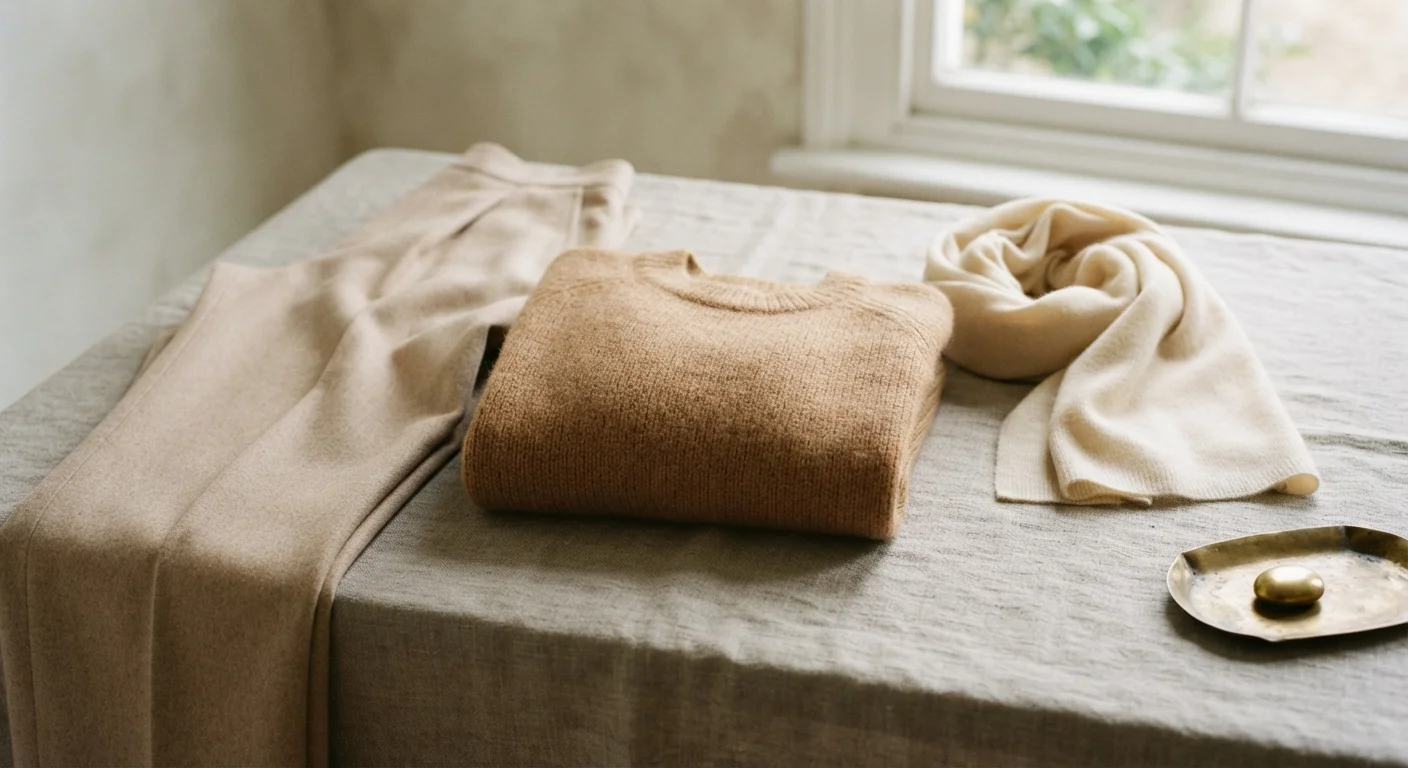
A one-color outfit works by varying texture, tone, and proportion while holding the hue constant — the way Vermeer built a painting around a single palette, one accent doing all the talking.
Tutorials is the instructional archive at Zebule, sorted by skill level and by the minutes each one takes. Every entry lists tools, photographs the stages, and gives adaptations for different eye shapes, skin types and hair textures. Read by people who learn by following a sequence and repeating it.
A one-color outfit works by varying texture, tone, and proportion while holding the hue constant — the way Vermeer built a painting around a single palette, one accent doing all the talking.
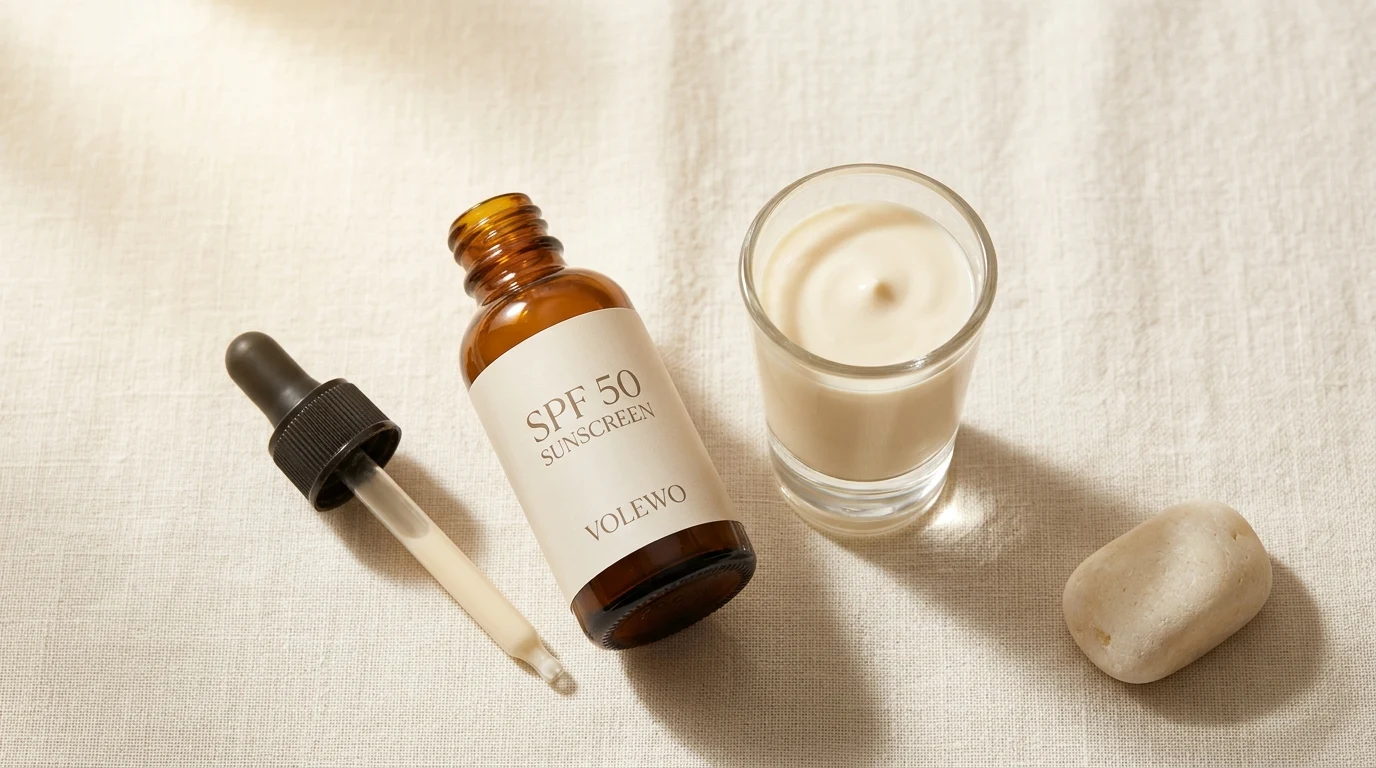
The sequence matters as much as the products themselves. Here's the step-by-step order that actually lets each formula do its job.
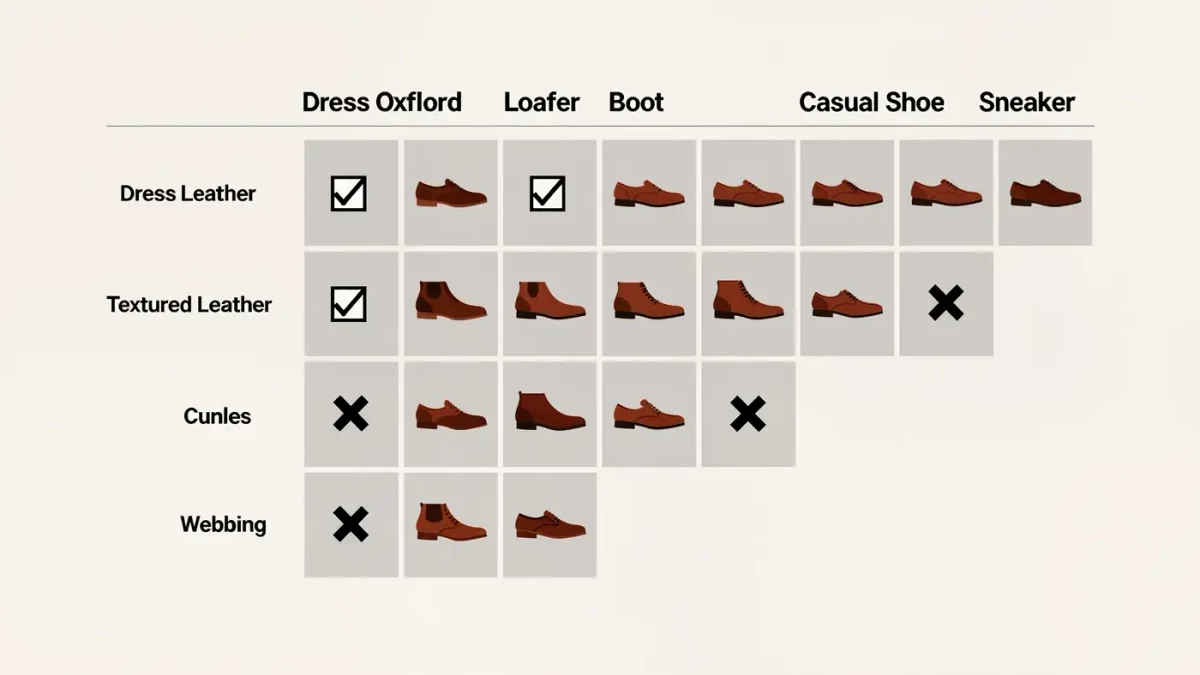
Match belt and shoes on color family and formality — leather to leather, tone to tone — and stop there: texture, metal, and casualness are where the old rule deliberately breaks.
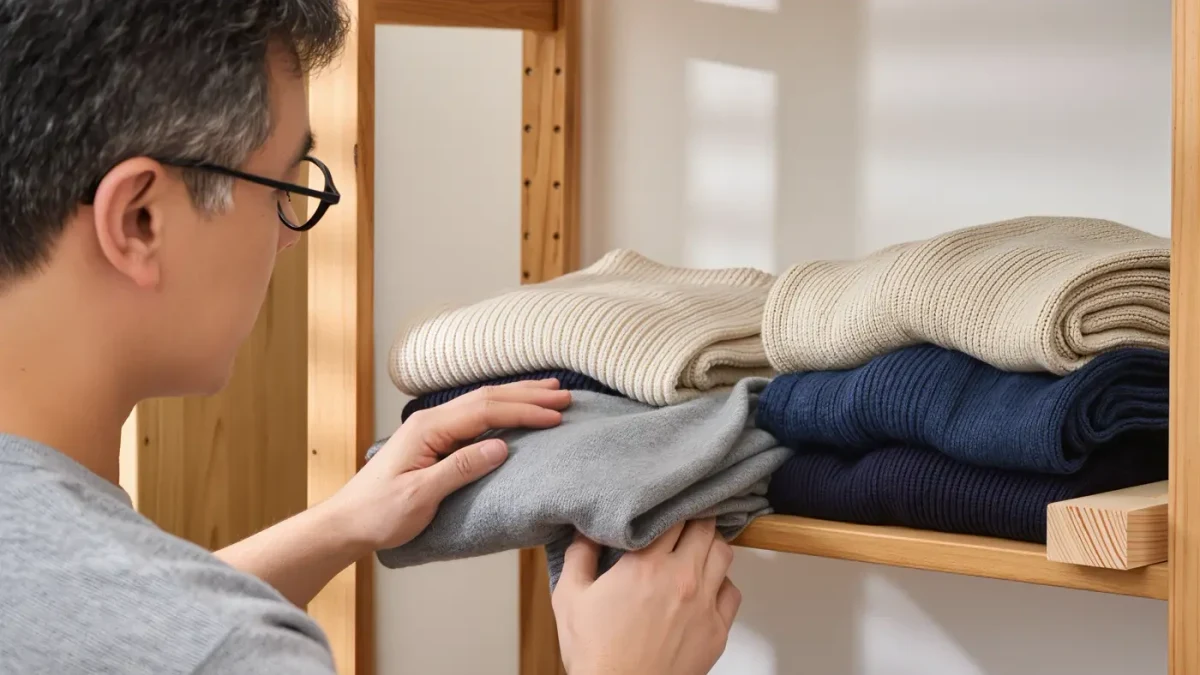
Fold, never hang; control moisture, light, and moths; and give heavy knits a rest between wears — the storage method that keeps wool and cashmere in shape for years.
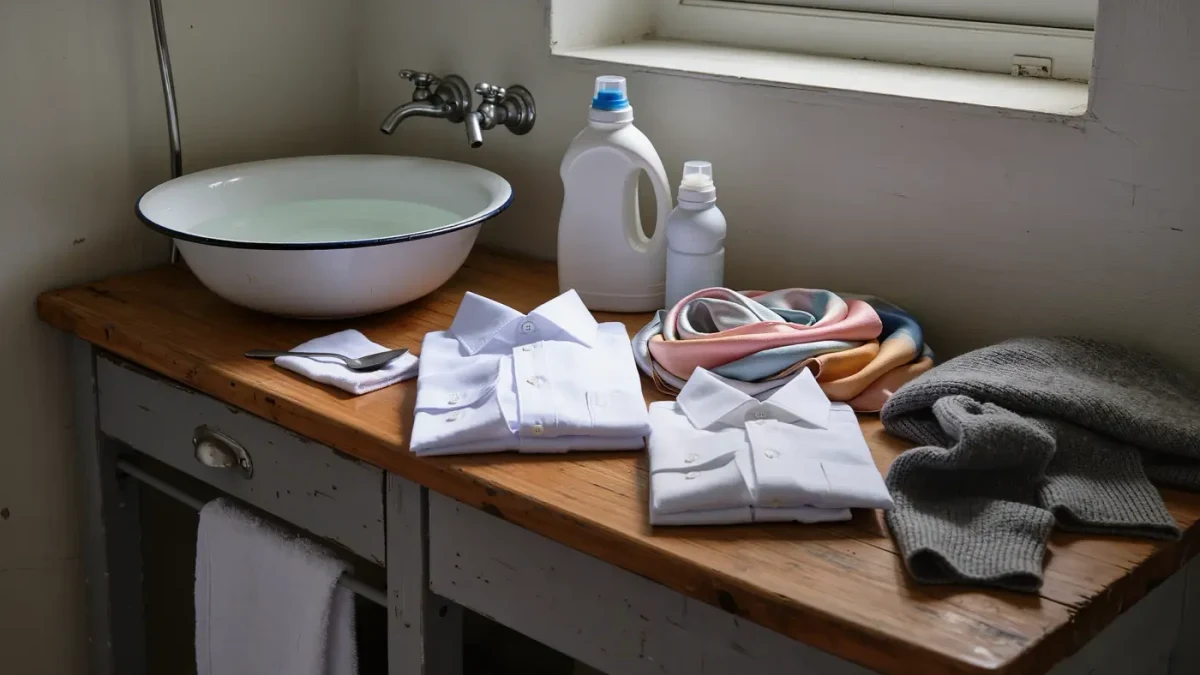
Cotton forgives, silk and wool do not — a fabric-by-fabric guide to safe stain treatment, from blotting technique to the treatments that ruin a garment.
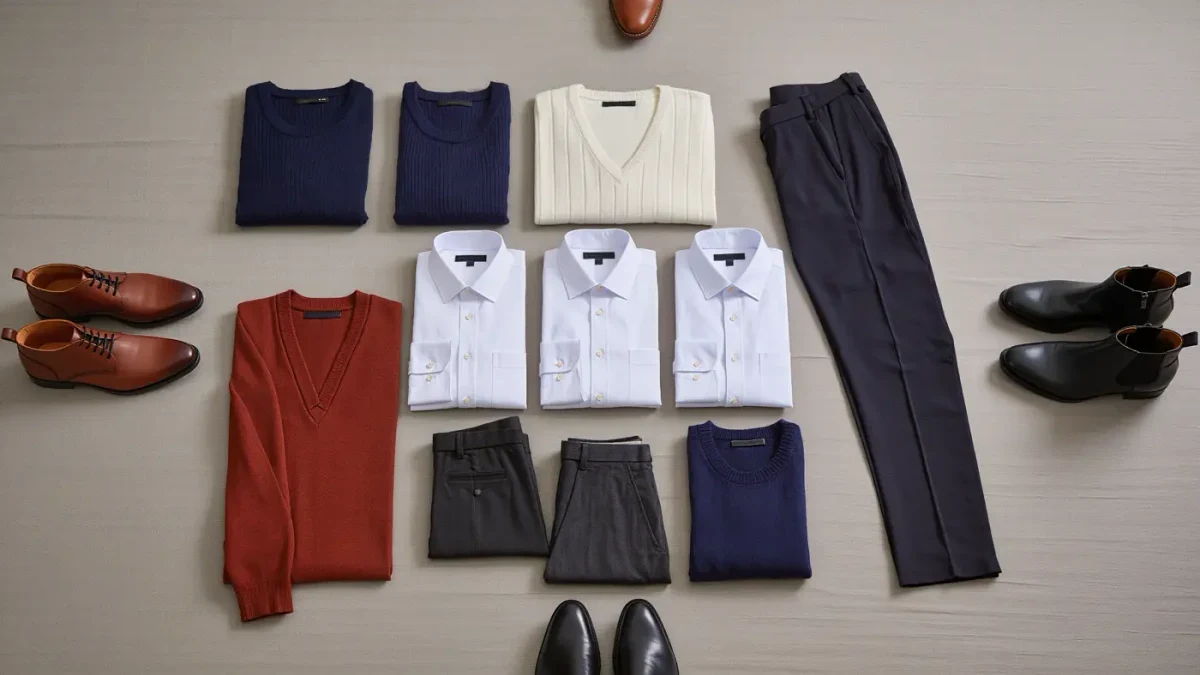
Count what you actually wear, define one neutral base, and fill five role-based slots — a repeatable algorithm that turns an overflowing closet into 30 working pieces.
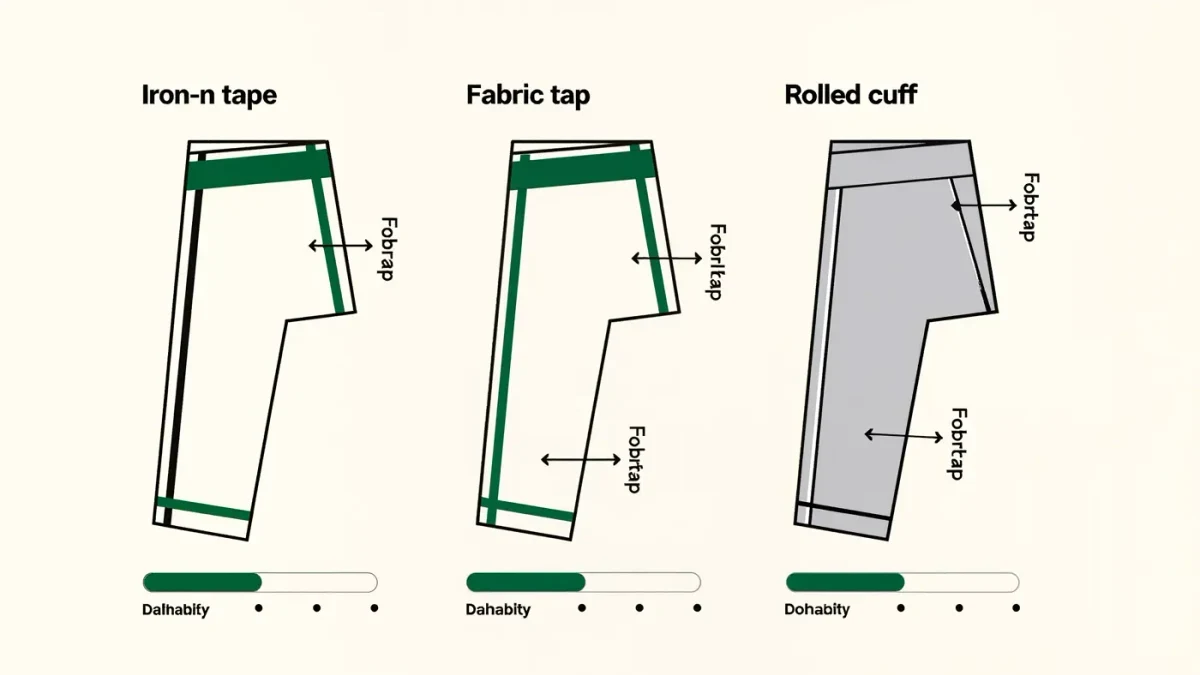
Hem tape, curtain weights, and the cuff roll hold a hem for weeks — what each method costs, how long it lasts, and when to skip it.

Cold water, pH-neutral detergent, and flat drying keep wool sweaters their original size — a step-by-step method for machine and hand washing knitwear.
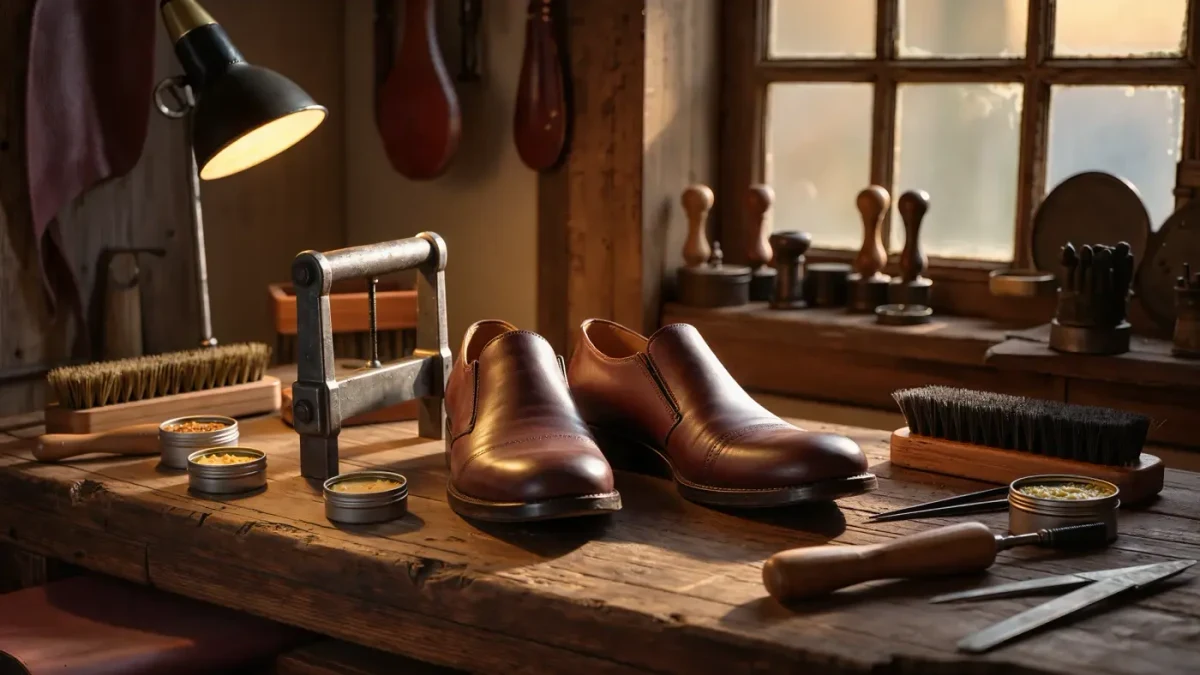
Wear, flex, and controlled moisture do the work heat and force damage — a step-by-step method for breaking in stiff leather shoes in one to two weeks.
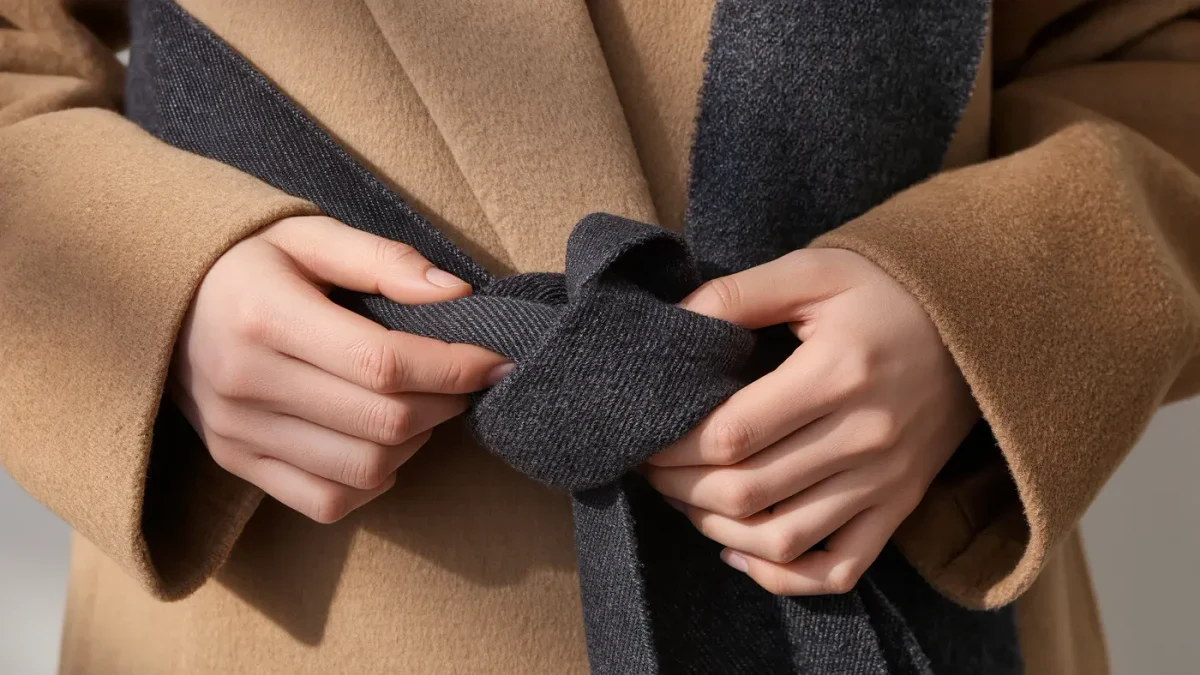
The once-around, the loop-through, the over-the-shoulder drape, and the bandana fold each solve a different problem — warmth, weight, structure, or color.