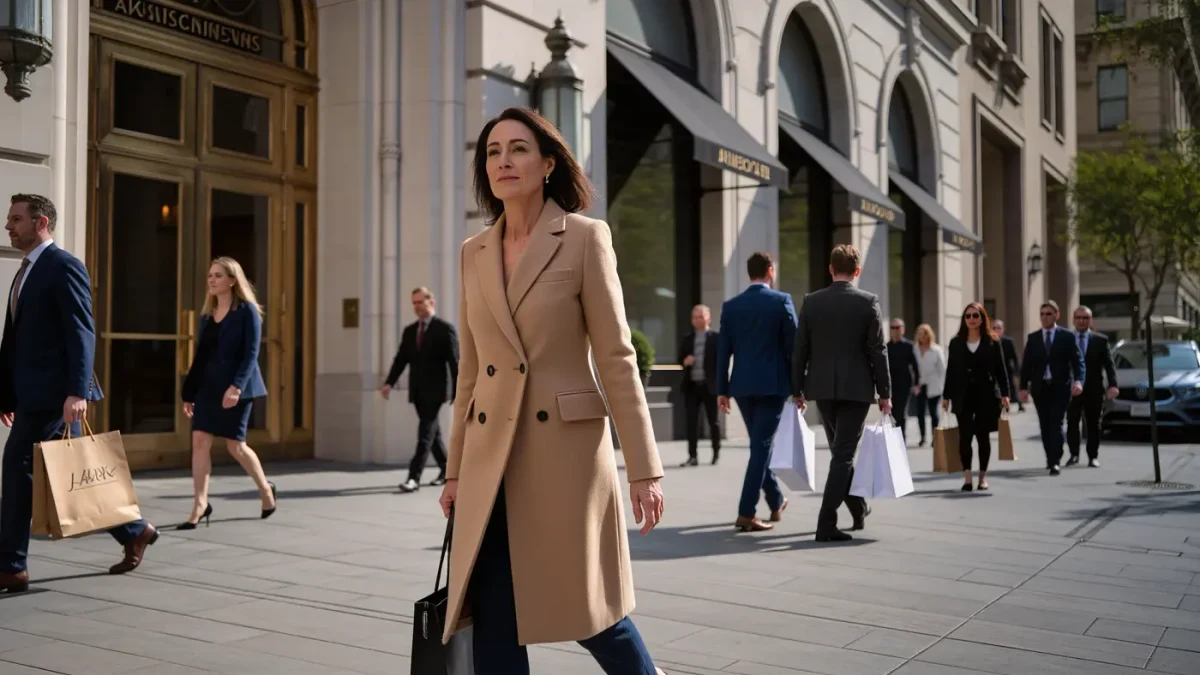
Saks Global walked out of bankruptcy on June 29, 2026, after roughly four months in Chapter 11, and the company that emerged is a fraction of what went in: per Retail Dive and local Oklahoma outlet the Journal Record, the full-line store network has been halved to about 15 Saks Fifth Avenue doors, roughly $1.3 billion in inventory is flowing back onto shelves, and the reorganized group is rebranding as Exemplar Luxury Group. For anyone who buys designer in the United States, that number — 15 — is the single most important figure in luxury retail right now.
This is a business story, not shopping advice: Zebule publishes information, not financial or purchasing recommendations, and the numbers below are drawn from company statements and reporting as of late June 2026.
What exactly happened on June 29?
Saks Global — the entity formed in late 2024 when the Saks Fifth Avenue owner acquired Neiman Marcus — exited Chapter 11 on Monday, June 29, 2026, weeks after winning court approval in June, per Journal Record and Retail Dive reporting dated June 29, 2026. The company had filed earlier in the year after its debt load, assembled in the merger, proved unserviceable. As part of the June reorganization, Saks Global received $350 million in financing commitments from SLR Credit, per Vogue Business reporting from June 2026, money earmarked in large part to restock floors that had grown visibly thin: roughly $1.3 billion in handbags, jewelry, dresses and other high-end inventory is returning to the surviving stores.
Why should a shopper care about a corporate bankruptcy?
Because department store distress is where some of the best discounts — and the thinnest racks — come from. A retailer in Chapter 11 freezes vendor payments, and brands respond by withholding their newest merchandise; that was the dated assortments and missing sizes of the past few months. The exit reopens the supply pipeline, and it means the liquidation-level markdowns of this spring become rarer, since a reorganized company no longer converts inventory to cash at any price.
Fifteen stores is a different business model
The halved footprint tells you where management thinks luxury actually converts. Fifteen full-line Saks Fifth Avenue doors — concentrated in the handful of American cities where flagship retail still pays for itself — plus Neiman Marcus locations and the e-commerce business are meant to operate as a smaller, deliberately upscale group under the new Exemplar Luxury Group name. Per the Journal Record's June 29, 2026 report, the stated goal is a renewed focus on top-tier luxury to regain market share. In practice, expect the edited assortment to skew toward established designer names with proven sell-through, and less toward mid-tier brands that filled floor space in the old model.
What this means for your wallet
Three practical consequences. First, if you rely on department stores for designer buys, the Duane Street-era habit of waiting for a Saks sitewide event may meet thinner selection: a company with $350 million in fresh financing and $1.3 billion of inventory to rebuild will protect margin on full-price new arrivals before it discounts them. Second, brands that were burned by unpaid invoices — a core grievance in the Chapter 11 — will demand tighter payment terms, which some will pass into prices. Third, competitors get a map of closed territory: when a Saks store closes, Nordstrom, Bergdorf Goodman and the brands' own boutiques will spend to capture that customer — historically in loyalty perks and personal shopping, not sticker prices.
Is luxury retail in trouble, or just this company?
Just this company — mostly. Per HSBC estimates cited in Vogue Business coverage, global luxury sales were expected to grow around 4.3 percent in Q2 2026. Saks Global's failure was a leverage story, not a demand story: too much debt taken on to merge two historic rivals. The demand was there; the balance sheet was not.
What to watch next
The rest of 2026 will show whether 15 doors and a renamed holding company can hold the Neiman Marcus customer while rebuilding vendor trust. Watch three markers: whether top brands restore full seasonal assortments by the fall 2026 retail window, whether full price is defended through the holidays, and whether any of the $350 million gets redirected from inventory into the e-commerce experience, where department store luxury loses the most ground.
For more context, read Primark's sales grew 3% while its stores emptied out — the cheap-fashion math is changing.
For more context, read lvmh first half 2026 results.
For more context, read shein us revenue 2026.