Kering, the group behind Gucci, Saint Laurent and Bottega Veneta, reported second-quarter 2026 revenue of €3,652 million on July 28 — up 1 percent as reported and 2 percent on a comparable basis, its return to organic growth per the group's own first-half release. Shares surged more than 13 percent on the announcement, per Reuters. But inside the same document sits the harder number: the fashion and leather goods division posted €2,852 million of quarterly revenue — roughly flat on a comparable basis — while still carrying recurring operating losses. Growth resumed; profitability did not arrive with it.
Zebule reports the figures, not investment advice: this is an analysis of Kering's published results of July 28, 2026.
What did the July 28 release say?
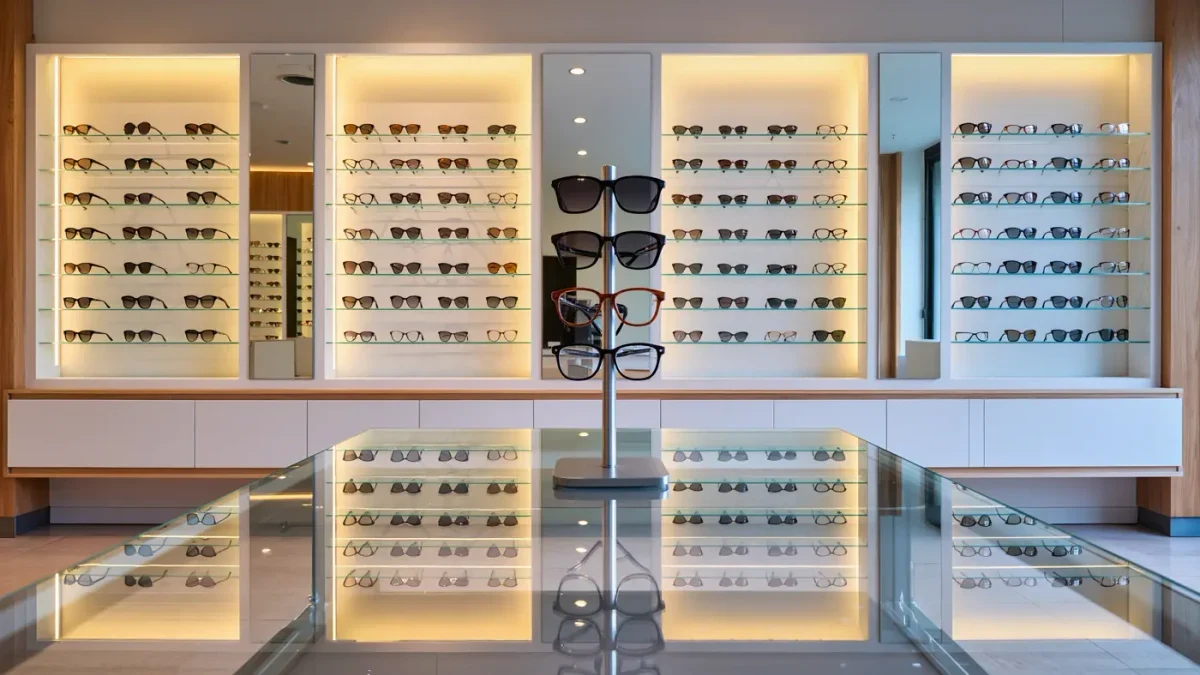
Per Kering's press release, first-half 2026 revenue was €7.22 billion, with the second quarter back to growth on a comparable basis after an extended downcycle. Kering Eyewear was the standout, posting €476 million of second-quarter revenue, up 7 percent as reported and 8 percent comparable. The core fashion and leather goods division, at €2,852 million for the quarter, was approximately 1 percent lower as reported and flat comparable, and the group's results presentation showed the division still in recurring operating loss. Strategy execution — the Gucci reset under its current leadership, store renovations, assortment overhauls — was described as on track.
How can a group grow and still lose money in its core?
Because a turnaround is bought, not found. Rebuilding a house like Gucci means paying for redesigned collections before they sell through, renovating flagship stores, supporting wholesale partners and re-buying advertising — costs that land now, while the revenue lift arrives in fractions of a point. Flat comparable revenue in the core division means the houses are selling about the same volume at about the same prices as last year, so every turnaround euro comes out of margin. That is the arithmetic behind the recurring operating loss: not collapse, but the deliberate expense of rebuilding demand.
What this means for your wallet
First, a group defending a return-to-growth story protects ticket prices — Kering's houses are unlikely to lead the market into discounting while management declares the strategy on track, so waiting for a new-season Gucci markdown at an official boutique is likely a long wait. Second, the discounting happens at the edges: department stores and authorized multi-brand retailers holding older-season Kering inventory are where price flexibility shows up first, since their markdowns move last season's stock without touching the maisons' own price narrative. Third, the Eyewear line matters more than it looks: at 8 percent comparable growth, it is the group's affordable entry — a $400-500 pair of frames from a Kering house carries the logo economics of luxury without the couture cost structure, which is exactly why groups invest in these categories during turnarounds.
Is the 13 percent share surge justified?
The market read the direction, not the level: a return to organic growth after a long decline changes expectations, and expectations move stocks. The open question is whether flat core-division revenue converts into growth in the autumn 2026 season as the rebuilt Gucci assortments reach stores. For shoppers, the marker to watch is the same one analysts will watch: if the division returns to operating profit by the full-year results, the turnaround is real — and the current full-price discipline hardens for good.
For more context, read Louis Vuitton's parent just ended a seven-quarter slide — why that matters beyond luxury.
For more context, read hermès first half 2026 results.
For more context, read shein us revenue 2026.