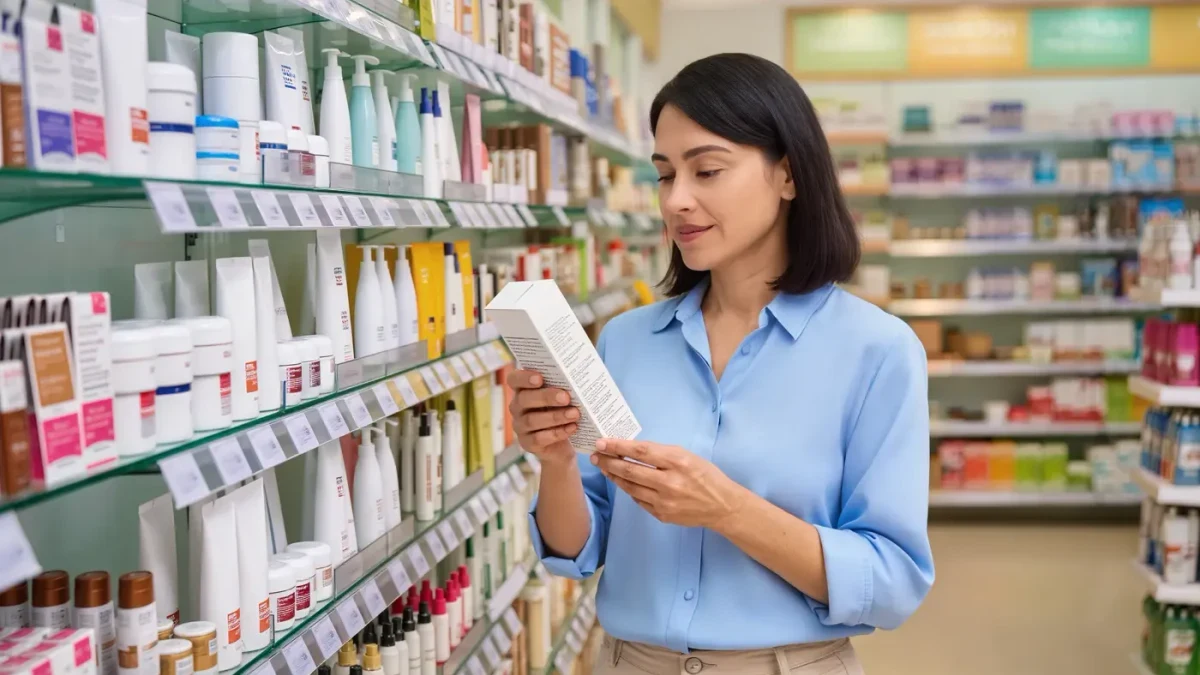
On August 1, 2026, the expanded EU fragrance allergen labeling rules take application: under Regulation (EU) 2023/1545, cosmetics sold in the European Union must individually declare more than 80 fragrance substances when they exceed set concentration thresholds, up from the 26 allergens named since 2005. If you have picked up a European moisturizer this June and squinted at a longer ingredient paragraph than you remember, you are watching the transition stock work its way through stores. This is the rare beauty story where the change is literally written on the box.
One note of scope: this publication reports regulation, not medical guidance — for a suspected allergy, the specialist is a dermatologist or allergist, not an ingredient list.
Why is the EU adding dozens of allergens to labels?
Because the science of sensitization moved. The original 26 listed allergens date to the early 2000s; since then, dermatological research identified a longer roster of fragrance compounds — from citronellol relatives to lavender-adjacent molecules and oakmoss constituents — that trigger contact allergies in a meaningful share of the population. The expanded list, adopted by the EU in 2023 with a multi-year transition, forces disclosure of substances that were previously legal to fold into the single word 'parfum'. For the fragrance-allergic shopper, 'parfum' has been a locked door; from August 1 it becomes a labeled one.
Does more label mean less safe perfume?
No — and the distinction matters. The regulation changes disclosure, not the safety assessment of the compounds themselves; the listed substances were permitted before and remain permitted within limits. What changes is information symmetry. A shopper allergic to, say, hydroxycitronellal can now scan for that name specifically instead of playing elimination roulette. Brands, meanwhile, face real formulation pressure: some are rebalancing fragrance compositions to stay under declaration thresholds, which is why your signature scent may smell subtly different this year without any announcement.
What should a US reader do with this?
Two things. First, read around your own rules: the U.S. under MoCRA has modernized manufacturing and reporting but has not adopted comparable allergen naming, so European versions of the same product can carry a fuller ingredient paragraph than the American one — a legitimate reason to check the EU carton of an imported favorite. Second, treat the new labels as a screening tool: if a product consistently irritates you, photograph its INCI list before discarding it. The pattern you show your dermatologist beats the guess you describe from memory.
What happens to brands that cannot reformulate in time?
The transition timeline exists precisely for this. Products placed on the EU market before the application date could sell through under old rules during a grace period, which is why June 2026 shelves carry both label generations side by side. Brands chose between two costs: relabel and declare everything, or rebalance compositions to duck thresholds and keep the cleaner label. Both strategies are visible on the shelf right now — some cartons suddenly listing a paragraph of botanical molecule names, others quietly smelling slightly different than last year's batch. Neither is a safety event; both are compliance economics written in INCI.
The desk's read
August 1, 2026 will pass without a single viral moment, and it will still be among the most consumer-useful dates in beauty this year: dozens of formerly invisible compounds become searchable, avoidable, comparable. Label literacy was always the practiced shopper's edge; the EU just widened the doorway. The rest of the industry usually follows Brussels eventually — which makes this summer's European cartons a preview worth reading.
For more context, read 83 beauty deals in one quarter — what the M&A surge means for your shelf.
For more context, read mocra cosmetics regulation.
For more context, read lvmh sells marc jacobs.